amp problems can affect any property, whether old or new. In a historic city like York, where many buildings have stood for centuries and others sit on foundations close to water-heavy ground, rising damp and moisture issues are especially common. When damp goes untreated, it causes not only cosmetic problems but also structural damage, timber decay, musty smells and loss of heat within the property.
HPS Damp Proofing is a trusted specialist serving the York area, providing expert damp surveys, rising damp diagnosis and long-lasting treatments for homes and commercial buildings. With professional training, years of hands-on experience and a thorough understanding of how damp behaves in York’s varied property types, the company delivers reliable, practical and affordable solutions tailored to each property.
This comprehensive guide explains what rising damp is, the signs to look out for, how damp proofing works, what a professional survey involves and why HPS Damp Proofing is one of York’s leading damp specialists.
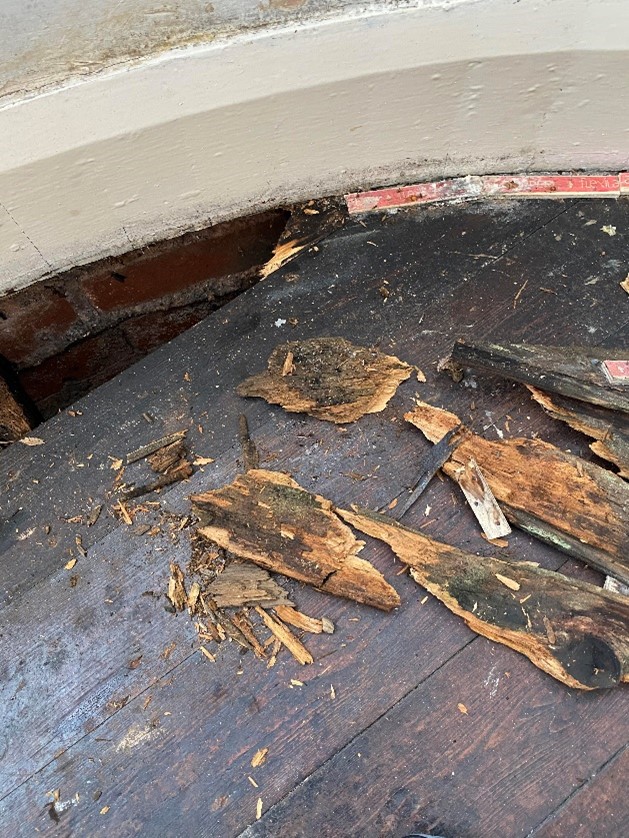
Rising damp occurs when moisture from the ground travels up the property’s walls through capillary action. In simple terms, water gets absorbed into the brickwork or stonework like a sponge, moving upward until gravity and evaporation stop it.
York has a rich mixture of Georgian, Victorian, Edwardian and early 20th-century housing. Many older properties were built before damp-proof courses became standard. Others have failing or bridged damp protection systems due to age, poor repairs, blocked drainage or renovation work.
No existing damp-proof course A damaged or deteriorated damp-proof course High external ground levels Poor drainage around the property Waterlogged soil Blocked or ineffective air vents Changes to external landscaping Renovations that bridge damp protection Rising damp can travel up internal and external walls, and because it moves slowly, homeowners often don’t notice it until the damage becomes more significant.
Identifying rising damp early prevents costly damage later. Some signs may appear subtle at first, while others are unmistakable.
Tide marks on walls (usually up to 1 metre high)
Flaking or bubbling paint
Powdery, damaged plaster
Peeling wallpaper
Crumbling skirting boards
Rotting timbers
Musty smells in certain rooms
Damp patches that feel cold to the touch
Salts appearing on walls (white, fluffy deposits)
Damp floors or moisture around chimney bases
If you notice any of these warning signs, a damp survey is strongly recommended.
Damp problems do not resolve themselves and will continue to worsen until treated properly. Leaving rising damp untreated can lead to:
Moisture weakens the wall structure, plaster and timber components over time.
Damp walls conduct heat away from a room far faster, making your property less energy efficient.
Damp environments encourage wood rot, affecting floors, joists and skirting boards.
Paintwork, plaster, wallpaper and flooring will deteriorate rapidly.
Damp conditions can contribute to poor air quality, affecting individuals with allergies or respiratory issues.
Prompt action not only protects your property but also saves money in the long run.
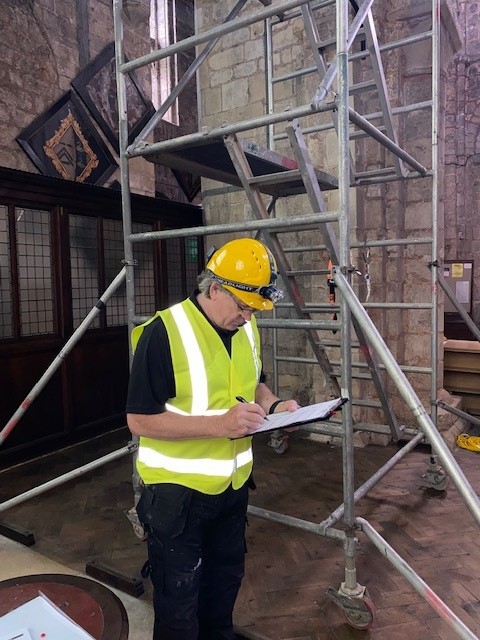
A professional damp survey from HPS Damp Proofing provides an accurate diagnosis, ensuring the correct treatment is applied. Guessing or using DIY damp solutions often leads to incorrect fixes, wasted money and long-term frustration.
A typical damp survey includes:
1. Visual Inspection
The survey begins with a careful inspection of the affected areas. This includes examining lower walls, skirting boards, flooring, plaster condition and external elevations.
2. Moisture Readings
Specialist moisture meters are used to determine the moisture content within walls. This helps differentiate rising damp from condensation or penetrating damp.
3. Salt Analysis
Salt deposits are checked to understand whether groundwater salts are present — a key indicator of genuine rising damp.
4. External Assessment
The exterior of the property is reviewed for:
High ground levels
Poor drainage
Damaged render
Cracks in brickwork
Blocked vents
Defects around gutters or downpipes
These external issues often contribute to damp internally.
5. Damp-Proof Course Evaluation
If the property has an existing damp-proof course, its height, condition and effectiveness are assessed.
6. Detailed Recommendations
Once the survey is completed, HPS Damp Proofing provides a clear explanation of the cause, accompanied by recommended treatments and an estimated timeframe for completion.
This ensures every homeowner receives an honest, accurate and actionable assessment.
How Rising Damp Is Treated – Methods Used by HPS Damp Proofing
The treatment required depends on the severity of the problem, the type of property and the cause of damp. HPS Damp Proofing uses proven techniques that provide long-term protection rather than temporary fixes.
1. Damp-Proof Course Installation or Injection
This is the most common and effective solution for rising damp.
A specialist damp-proofing cream or fluid is injected into small holes drilled into the mortar bed at regular intervals. Once applied, the substance cures to form a strong, durable barrier that stops ground moisture from rising.
2. Replastering and Salt-Resistant Finishing
Once the damp-proof barrier is installed, contaminated plaster must be removed.
New salt-resistant plaster is applied to prevent old salt deposits or moisture from damaging walls again.
3. External Ground Level Adjustment
If external ground levels bridge the damp-proof course, adjustments may be recommended, such as lowering soil, gravel or paving around the perimeter.
4. Drainage and Ventilation Improvements
HPS Damp Proofing may advise improvements to:
Exterior drainage
Blocked vents
Airflow around the property
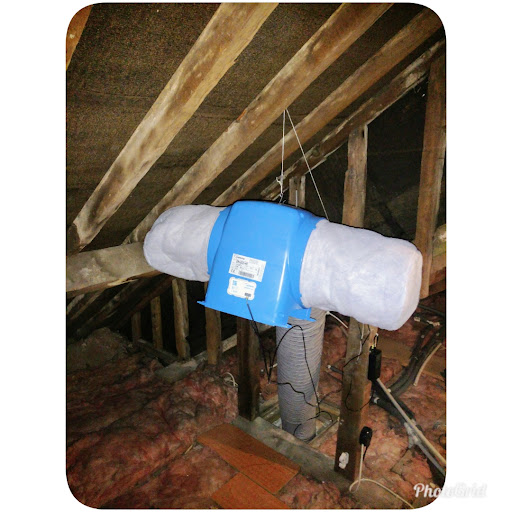
Better ventilation supports long-term prevention.
5. Waterproof Coatings (If Required)
Certain properties benefit from additional waterproof sealants or membranes, depending on construction type.
Rising Damp vs Condensation vs Penetrating Damp
Homeowners often confuse different types of damp, but each one requires a different treatment. Treating the wrong cause will not remove the damp and may worsen it.
Rising Damp
Moves up from the ground
Causes tide marks
Salts appear
Low-level plaster damage
Condensation
Forms on cold walls
Appears in kitchens, bathrooms and bedrooms
Caused by poor ventilation
Water droplets visible on surfaces
Penetrating Damp
Enters from the outside
Caused by leaks or cracks
Appears on walls, ceilings, chimneys
HPS Damp Proofing identifies the correct type of moisture issue to ensure successful treatment.
Why Choose HPS Damp Proofing in York
HPS Damp Proofing has become a trusted name across York due to professionalism, specialist knowledge and a commitment to delivering quality results. They understand the unique challenges presented by properties in the region, from historic builds to modern developments.
Reasons York homeowners choose HPS Damp Proofing:
1. Specialist Damp Knowledge
Years of experience diagnosing and treating rising damp, timber decay and moisture problems.
2. Local Expertise
York’s architecture, soil conditions and mixed-age housing require a regional expert who understands local damp trends.
3. Honest, Transparent Advice
Customers are given clear explanations, straightforward recommendations and no unnecessary upselling.
4. Reliable, High-Quality Work
From survey through to treatment, work is carried out to a professional standard using proven materials.
5. Customer-Focused Service
Friendly communication, respect for your home and punctual appointments.
6. Long-Term Solutions
Treatments are designed to address the problem permanently rather than providing temporary cosmetic fixes.
When to Book a Damp Survey
If you notice any of these symptoms, it’s best to arrange a survey as soon as possible:
Damp patches along the bottom of walls
Peeling wallpaper or bubbling paint
Musty smells
White, powdery salt deposits
Soft or crumbling plaster
Cold, damp floors
Visible mould growth
Rotting skirting boards
Early diagnosis saves money, protects the building and restores your living environment.
Contact HPS Damp Proofing – Rising Damp Specialists in York
For surveys, rising damp treatment or damp proofing advice, contact HPS Damp Proofing today.
Phone: 07711 701779
Email: hpsdamp.proofing@gmail.com
Professional, reliable and friendly damp specialists serving all areas across York.
If you can see damp patches, blistering paint, musty odours or soft timber, arrange a survey today and protect your home.
HPS Damp Proofing
47 Eldon St, York YO31 7NE
hpsdamp.proofing@gmail.com
07711 701779