
What is rising damp?
Rising damp is moisture that travels up from the ground through the pores of brick, stone and mortar by capillary action. As the water rises it carries ground salts that contaminate plaster and timbers. Skirting boards, joist ends and plaster can absorb this moisture which can lead to rot and secondary problems.
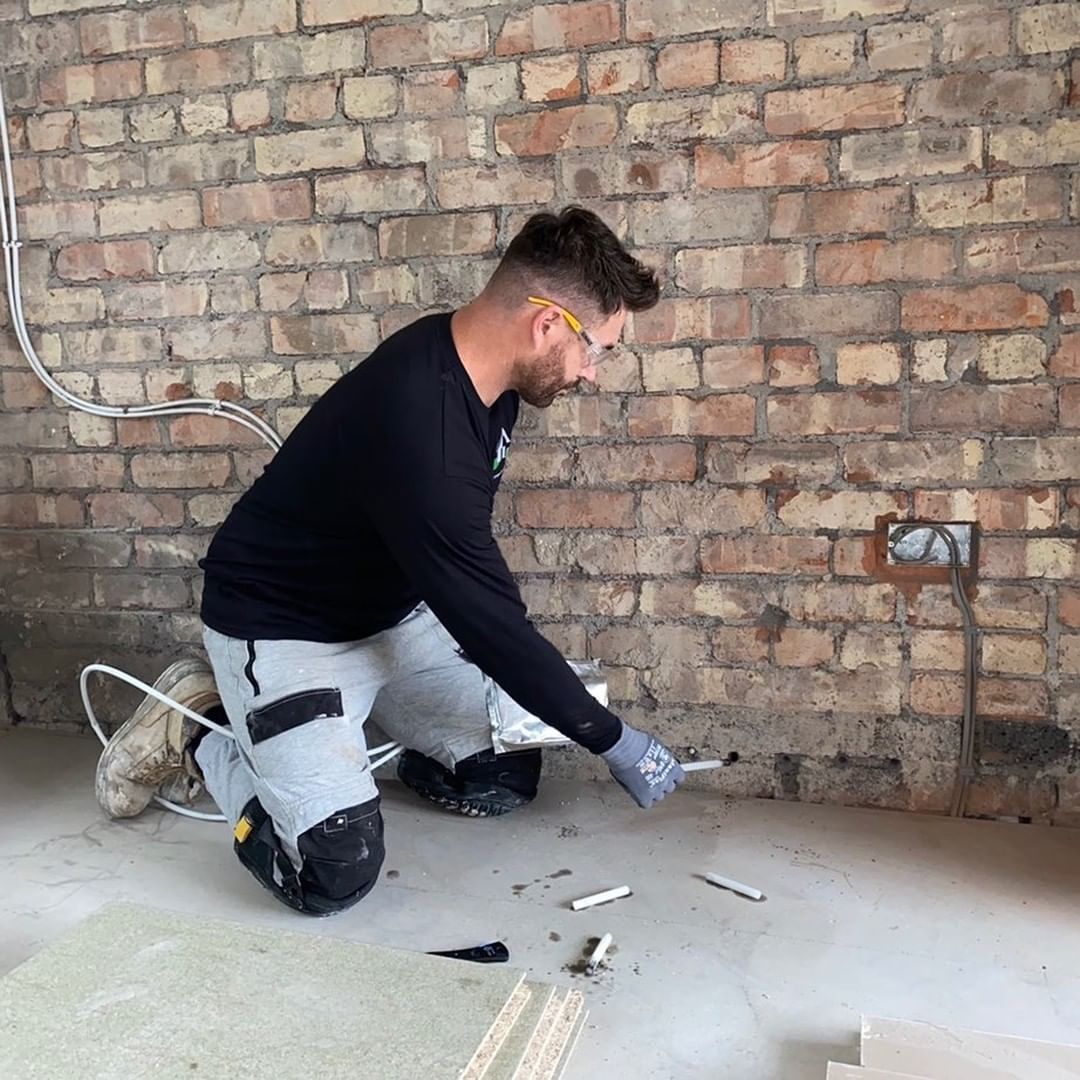
Most homes rely on a damp proof course to resist ground moisture. If the DPC is missing, bridged or defective then ground water can rise. External ground levels, blocked cavities, hard renders and failed pointing can all contribute. The moisture usually peaks at around one metre above floor level although salt staining can appear higher.
Look for horizontal tide marks up to about one metre, blistering or blown plaster, salt deposits on the surface, decayed skirting boards and musty odours at ground level. Walls may feel cooler and damp to the touch. Because other defects can imitate rising damp it is important to arrange a qualified survey to confirm the source before any work begins.
Quick fixes only hide the symptoms. A correct treatment will isolate the moisture source, install an appropriate damp proof course where required, remove contaminated plaster, apply salt resistant base coats and reinstate finishes. We specify systems that suit the wall construction and local conditions found in York’s housing stock.
Costs vary with wall thickness, access, finishes and the amount of making good. As a guide many homes fall between £65 and £200 per linear metre depending on scope. A written survey and specification ensures accurate pricing.
Decoration will continue to fail, timbers can decay, heat loss rises and sale transactions may be delayed by survey findings. The longer moisture and salts remain the more extensive the remedial work becomes.
If you are unsure, book a PCA qualified damp and timber survey. You will receive a clear diagnosis, a moisture profile and an itemised plan that any competent contractor can follow.
What is penetrating damp
Penetrating damp is lateral water ingress through the external fabric. It is often caused by cracked render, porous masonry, defective pointing, failed flashings, leaking gutters or high ground levels. Symptoms include damp patches that darken in rain, mould growth on cold corners, crumbling plaster and a persistent musty smell.
How to treat penetrating damp
First correct the defect that admits water. This can include repointing with an appropriate mortar, repairing gutters and downpipes, renewing flashings, lowering high paths, improving sub floor ventilation and applying breathable repair systems. After the source is removed we restore finishes with suitable breathable plasters and paints.
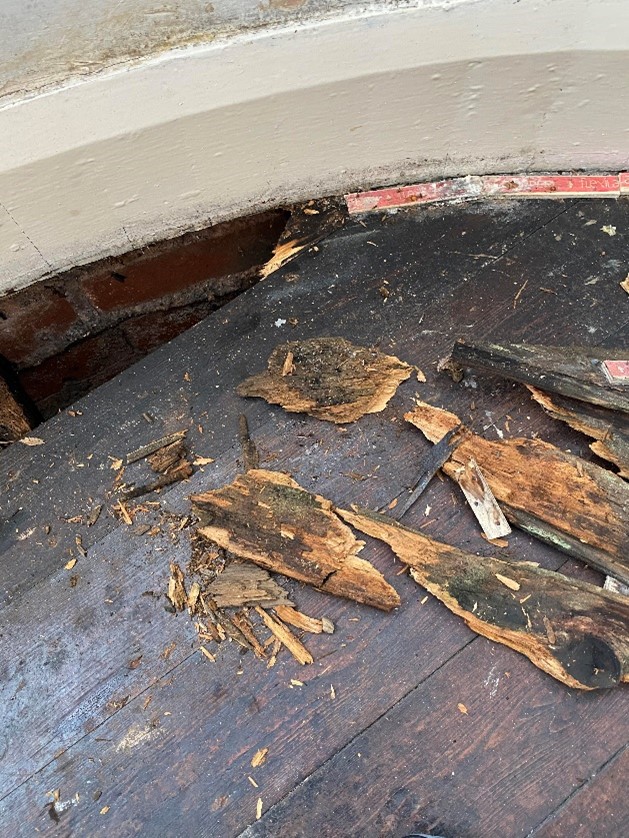
Dry rot is a serious timber decay fungus that attacks damp wood. It thrives where moisture content is elevated and poor ventilation is present. It can travel behind finishes and across masonry searching for timber. Indicators include a mushroom smell, cracking cuboidal timber, rust coloured spore dust and silky white growth. Control requires removing the moisture source, opening up affected areas, removing and replacing decayed timber, targeted treatments and ventilation improvements under a qualified specification.
Wet rot
Wet rot describes a group of fungi that break down damp timber where a leak or chronic dampness persists. It is usually localised to the wet area and does not spread through masonry. Expect softened timber, darker staining and flaking paint. Fix the moisture source, assess structural impact, replace or splice timbers and apply appropriate preservatives.
Woodworm
Woodworm is a collective term for wood boring beetles. Eggs hatch into larvae that tunnel for years before emerging through tiny flight holes and leaving frass. Species identification matters because treatment and risk differ. We confirm whether activity is current, assess structural timbers, specify targeted treatments and advise on associated damp repairs that may have encouraged infestation.
Condensation
Condensation occurs when warm moist air meets a cold surface and releases water. It is common during York’s heating season and is made worse by limited ventilation. Expect water on windows, black mould on cold corners and behind furniture and damaged decoration. Control combines better ventilation, heat balance, moisture source reduction and in some homes Positive Input Ventilation to stabilise indoor humidity. Our Condensation and Mould Survey records temperature, relative humidity, dew point and vapour pressure then sets out a practical plan.
Prolonged damp and mould can aggravate asthma and allergies and can irritate eyes, skin and airways. Vulnerable occupants may be more affected. Removing the moisture source and professionally treating mould restores a healthier indoor environment.
Other surveys and services in York
Damp and Timber Survey full diagnostic report with photos, moisture profiles and specification
Pre Purchase Damp and Timber Survey independent findings to support informed decisions
Condensation and Mould Survey scientific assessment with prevention plan
Mould Eradication safe removal and protective coatings
PIV Unit Installation fresh filtered air supply to control humidity across the home
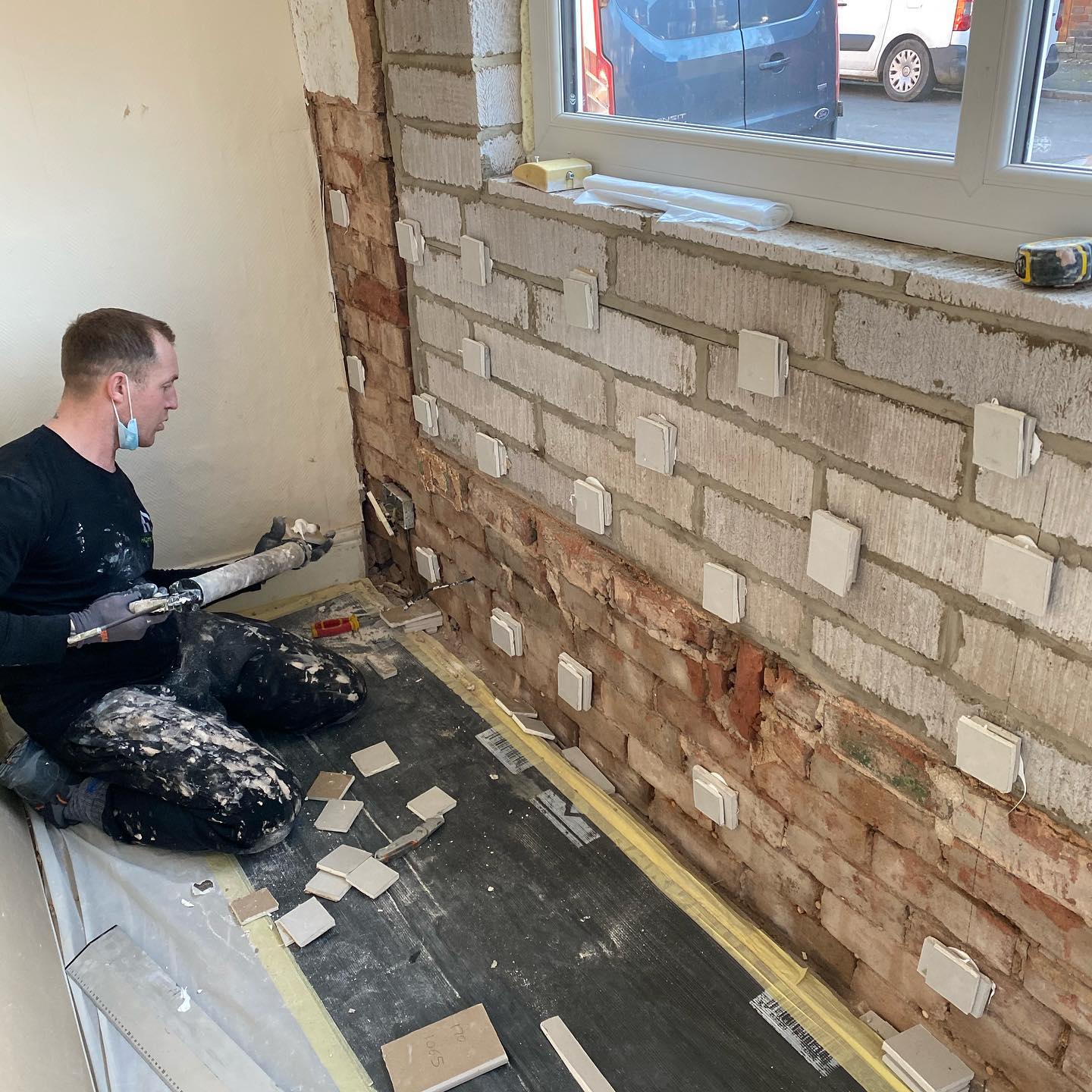
If you are seeing damp patches, mould or suspect timber decay, arrange a survey and get a clear plan that works for your home in York.
HPS Damp Proofing
47 Eldon St, York YO31 7NE
hpsdamp.proofing@gmail.com
07535984049